
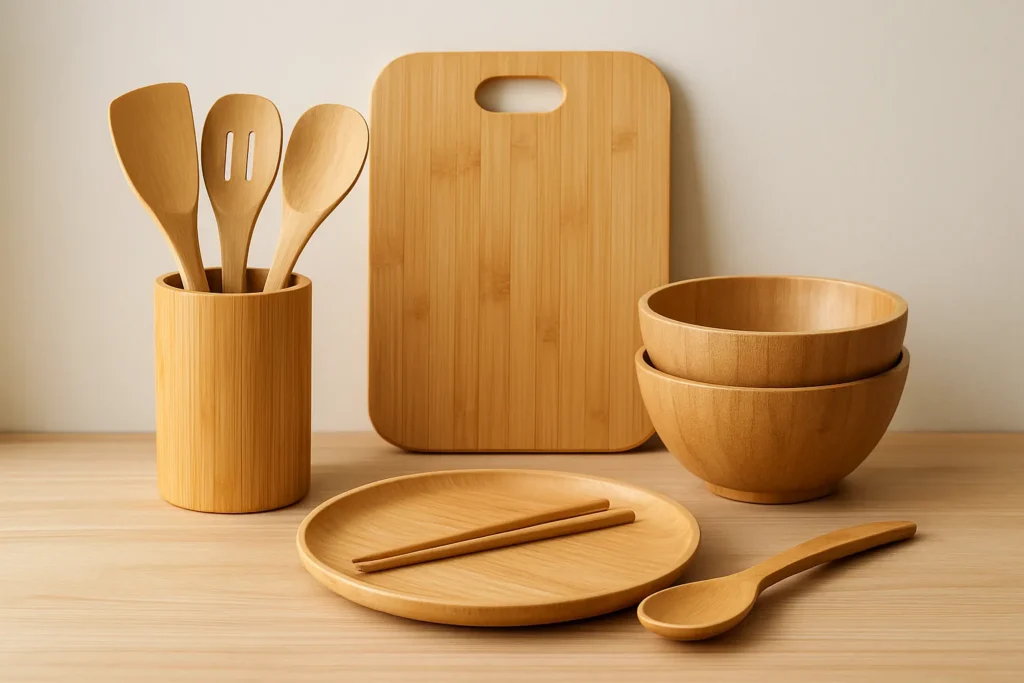
Sustainable Bamboo Kitchenware: Eco-Friendly Kitchenware for Cafes and Restaurants
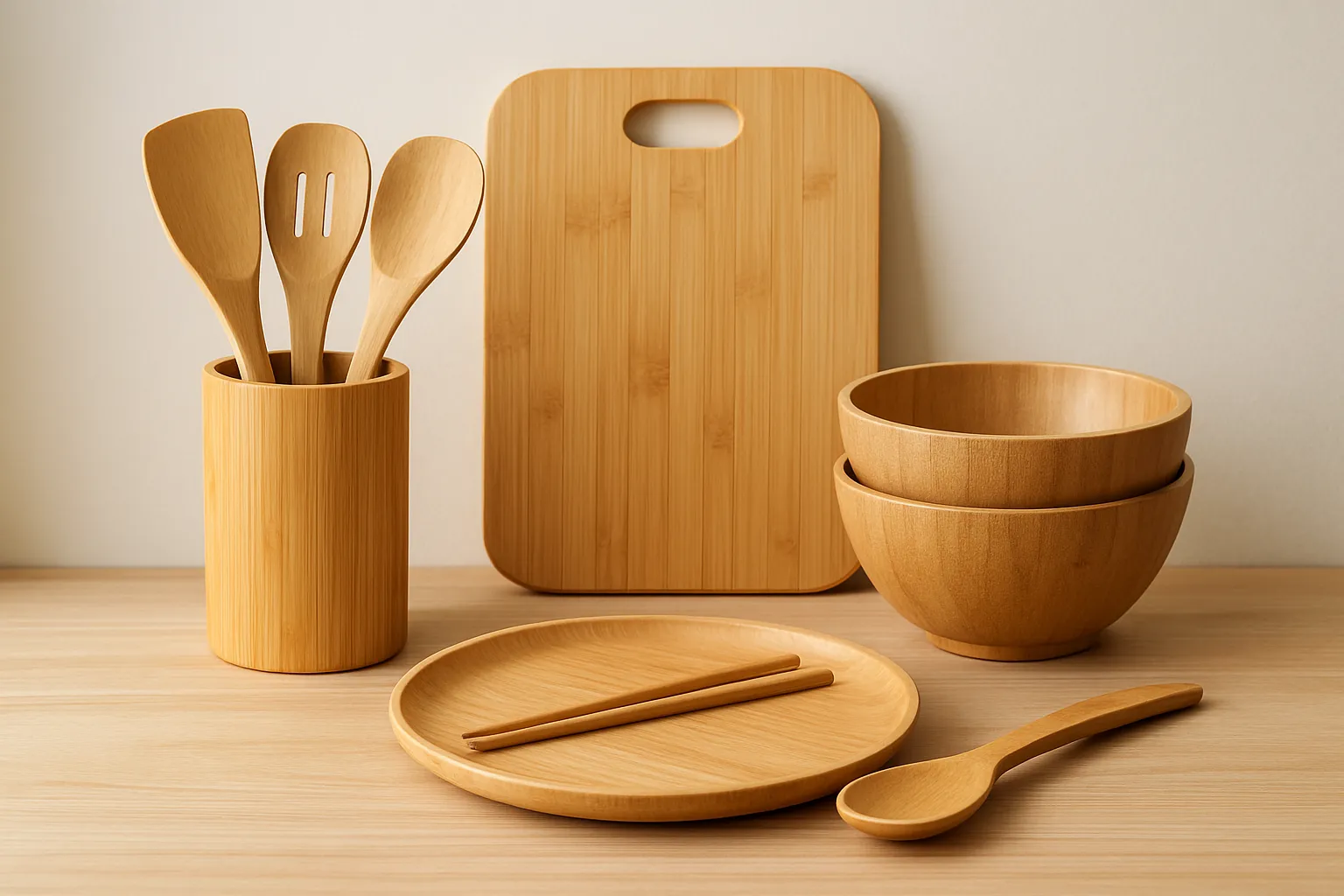
Bamboo kitchenware has become a favored option for restaurants and cafes, embodying the growing movement towards sustainability in the food service sector. Sourced from one of the fastest-growing plants on our planet, bamboo kitchenware not only fulfills practical needs but also meets the rising consumer demand for eco-friendly products. As we face various environmental challenges, the significance of adopting sustainable practices in food service cannot be overstated. Establishments that embrace sustainability not only contribute positively to the environment but also enhance their brand image and attract a more conscientious clientele.
Benefits of Bamboo Kitchenware
Environmental Impact
One of the standout benefits of bamboo kitchenware is its minimal environmental footprint. Bamboo reaches maturity in just three to five years and requires considerably less water than traditional hardwood trees. Moreover, it absorbs carbon dioxide and releases oxygen at a higher rate than many other plants, making it an excellent choice for reducing your establishment’s carbon footprint. For further insights on the environmental advantages of bamboo, check out this industry reference.
Durability and Longevity
Bamboo kitchenware is celebrated for its exceptional durability. Unlike plastic, which tends to warp or become brittle over time, bamboo retains its structural integrity under various conditions. High-quality bamboo kitchenware is designed to withstand the rigors of daily use in bustling restaurant environments, making it a reliable choice for food service. You can explore a diverse range of bamboo kitchenware options at Zhejiang Ourun Bamboo and Wood Co., Ltd..
Aesthetic Appeal
The inherent beauty of bamboo adds an elegant touch to any dining experience. With its unique grain patterns and warm hues, bamboo kitchenware enhances the visual presentation of food. Restaurants aiming to create a sophisticated yet eco-friendly atmosphere will find bamboo to be an ideal material for their kitchenware.
Specifications of Bamboo Kitchenware
Types of Bamboo Kitchenware
Bamboo kitchenware includes a wide array of products, such as cutting boards, serving trays, utensils, bowls, and even plates. Each type caters to different culinary needs, allowing restaurants and cafes to fully integrate bamboo into their operations.
Material Quality Standards
When sourcing bamboo kitchenware, it’s crucial to focus on material quality standards. High-quality bamboo is typically free from harmful chemicals and additives, ensuring safety for food contact. Seek products that comply with international safety standards to guarantee the well-being of your customers.
Safety and Health Considerations
Naturally resistant to bacteria, bamboo kitchenware is a hygienic option for food service. However, it’s essential to ensure that products are properly treated and finished to mitigate any potential health risks. Always choose kitchenware from reputable suppliers who prioritize safety in their manufacturing processes, such as those listed on Zhejiang Ourun Bamboo and Wood Co., Ltd..
Use Cases in Restaurants and Cafes
Serving and Presentation
Bamboo kitchenware excels in serving and presenting food. Its aesthetic quality makes it an excellent choice for tapas, charcuterie boards, and other shareable dishes. Additionally, the lightweight nature of bamboo facilitates easy handling by staff during busy service times.
Food Preparation
Beyond serving, bamboo cutting boards and utensils are ideal for food preparation. Their sturdy surfaces provide a dependable area for chopping and mixing, while their natural properties help prevent knife marks and scratches, ensuring a clean appearance over time.
Eco-Friendly Branding
Utilizing bamboo kitchenware enables restaurants and cafes to reinforce their dedication to sustainability. By showcasing bamboo products, establishments can attract eco-conscious customers and distinguish themselves in a competitive market. This commitment to eco-friendly practices can foster increased customer loyalty and positive word-of-mouth.
Comparing Bamboo Kitchenware to Other Materials
Bamboo vs. Plastic
When comparing bamboo kitchenware to plastic, the environmental advantages of bamboo are evident. Plastic is derived from petroleum, contributes significantly to pollution, and takes hundreds of years to decompose. In contrast, bamboo is biodegradable and renewable, making it a far more sustainable choice.
Bamboo vs. Wood
While traditional wood kitchenware is also a sustainable option, bamboo boasts several advantages. Generally lighter, more affordable, and less prone to warping than hardwood, bamboo’s rapid growth allows for more sustainable harvesting compared to many hardwood trees.
Cost-Effectiveness Analysis
Although the initial investment in bamboo kitchenware may exceed that of plastic alternatives, the long-term benefits make it a cost-effective option. Bamboo’s durability translates to less frequent replacements, and its aesthetic appeal can boost customer satisfaction and higher sales.
Sourcing Bamboo Kitchenware
Finding Reliable Suppliers
Sourcing bamboo kitchenware necessitates finding trustworthy suppliers who prioritize quality and sustainability. Conduct thorough research on potential vendors, read reviews, and request samples to ensure their products meet your standards.
Certifications to Look For
Seek suppliers that offer certifications indicating their commitment to sustainability and safety. Certifications such as FSC (Forest Stewardship Council) and ISO (International Organization for Standardization) can confirm that the bamboo kitchenware you purchase is responsibly sourced and manufactured.
Cost Considerations
While bamboo kitchenware may be priced higher than plastic, consider the long-term savings associated with durability and customer satisfaction. Furthermore, investing in sustainable products can enhance your brand’s reputation, potentially leading to increased revenue.
Implementation Strategies for Restaurants
Transitioning to Bamboo Kitchenware
Transitioning to bamboo kitchenware requires thoughtful planning. Begin by evaluating your current kitchenware inventory and identifying which items can be replaced with bamboo alternatives. Gradually introducing bamboo products can help minimize disruption and allow staff to acclimate.
Staff Training and Education
Educating staff about the benefits and proper care of bamboo kitchenware is vital for successful implementation. Providing training sessions ensures that all employees understand how to use and maintain bamboo products effectively.
Customer Engagement and Feedback
Involving customers in the transition to bamboo kitchenware can enhance their dining experience. Consider promoting the switch through social media and in-house signage, while encouraging feedback to gauge customer perceptions and preferences.
Frequently Asked Questions
Is Bamboo Kitchenware Dishwasher Safe?
While some bamboo kitchenware may be labeled as dishwasher safe, it is generally advisable to hand wash these items to extend their lifespan and maintain their appearance.
How to Care for Bamboo Kitchenware?
To care for bamboo kitchenware, wash it with mild soap and warm water. Avoid soaking the items or exposing them to extreme temperatures. Regularly oiling bamboo products with food-safe mineral oil can help maintain their luster and prevent cracking.
What is the Lifespan of Bamboo Kitchenware?
The lifespan of bamboo kitchenware can vary based on usage and care, but with proper maintenance, it can last several years, making it a wise investment for restaurants and cafes.
Conclusion
In conclusion, sustainable bamboo kitchenware represents a smart choice for restaurants and cafes seeking to enhance their sustainability efforts while upholding high standards of quality and aesthetics. With numerous benefits—including environmental impact, durability, and aesthetic appeal—bamboo kitchenware transcends mere trendiness, offering a long-term solution for the food service industry. By sourcing high-quality products and implementing effective strategies, establishments can successfully transition to bamboo kitchenware, ultimately benefiting both their business and the planet.